Safety when working with a brushcutter and a chainsaw
Working safely with a brushcutter and a chainsaw rests on three things: the right personal protective equipment (PPE), checking the machine before starting and a sensible decision about when not to start at all. STIHL machines have sharp cutting tools running at high speed.
Safety when working with a brushcutter and a chainsaw
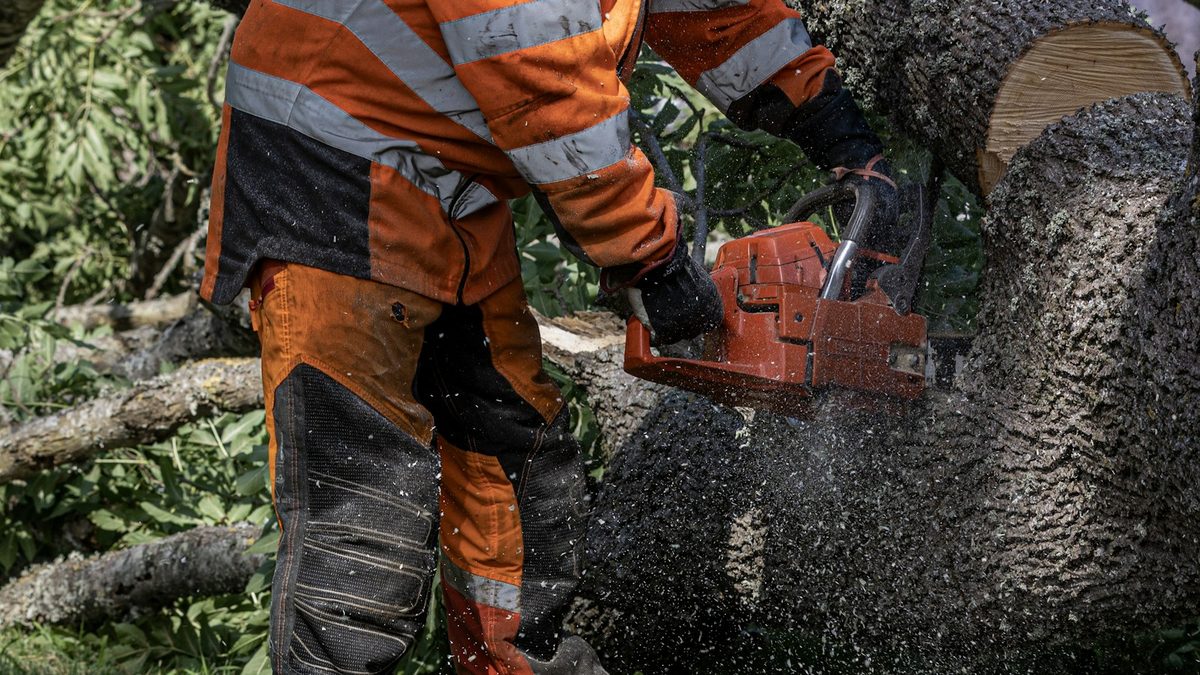
Working safely with a brushcutter and a chainsaw rests on three things: the right personal protective equipment (PPE), checking the machine before starting and a sensible decision about when not to start at all. STIHL machines have sharp cutting tools running at high speed. The aim isn’t to frighten you but to prevent injuries from flying debris, kickback, falls or careless refuelling.
At Zakservices in Senica, we help you choose the right equipment and develop good habits for the type of work you do. Below is a practical checklist for the garden, the orchard and smaller felling jobs.
What you’ll learn in this article
- which PPE makes sense for brushcutters and chainsaws
- safe distances, passers-by and animals
- kickback and flying debris
- safe refuelling and preparing the machine
- when to postpone work, a table, FAQ and contact details
The basic approach: calm, not fear
A STIHL brushcutter and a STIHL chainsaw are everyday tools for looking after your land. Most accidents come from routine: fatigue, a missing visor, a removed guard, a child standing nearby or refuelling a hot engine.
Before each work session, take a minute to check. A minute of checking costs less than weeks of recovery.
PPE: what to wear and why
PPE isn’t decoration. With a brushcutter, it’s mainly about your eyes, hearing and legs. With a chainsaw, it’s also about protecting your legs and head, depending on the scale of the work.
With a STIHL brushcutter
- eye or face protection (glasses, a visor or a helmet with a mesh visor, depending on the work)
- ear protection with a combustion engine
- sturdy footwear with non-slip soles, ideally ankle boots
- long trousers made of tougher fabric, not shorts
- gloves with a good grip
- sturdy trousers or leg protectors when working with a metal blade, if the manual and the nature of the work require them
- no loose scarves, chains or small items that could get caught
With a STIHL chainsaw
- a helmet with ear protection and a visor or glasses (especially for felling and work above waist height)
- cut-resistant trousers or chaps, according to the standard and the scale of the work
- cut-resistant boots or at least very sturdy work boots
- gloves suitable for chainsaw work
- close-fitting clothing with no loose parts
For quick cuts of small diameters at home, people often underestimate trousers and footwear. Yet it’s the legs that are most vulnerable to kickback and slips. If you use a chainsaw regularly, investing in PPE makes sense.
Before starting: a 2-minute check
- Read the relevant parts of the manual for your STIHL model (at least once a season).
- Check the guard, handles, starter rope, anti-vibration mounts and the mounting of the cutting attachment or guide bar.
- On a chainsaw, check the chain tension, guide bar lubrication and that the chain brake works.
- On a brushcutter, check the line or blade, the guard and the harness.
- Make sure there are no stones, wires, glass, toys or hoses in the area.
- Adjust the brushcutter harness so that the machine hangs balanced and doesn’t pull to one side.
- Make sure your PPE is on before you start the machine.
A damaged guard, a chain brake that doesn’t work or a loose blade means: don’t start, and arrange a service or a replacement part.
Safe distances and passers-by
Flying grass, gravel, bark or a piece of trimmer line can cause injury even several metres from the machine.
Practical rules:
- create a safe zone around the work. With a brushcutter, expect flying debris. As a rough guide, this is often a zone of around 15 m, depending on the manual and the situation. Take the exact figure from the manufacturer’s manual.
- children, dogs and passers-by don’t belong in the work area
- when working next to a road or pavement, expect people, and time the work outside busy periods if you can
- when using a chainsaw, tell your household where you’ll be and when you’ll finish
- on a remote plot, have a phone with you and an agreed contact
Never leave a running machine unattended. When you take a break, switch off the engine and secure the machine.
Kickback and flying debris: what you need to know
Chainsaw
Kickback occurs mainly when the upper tip of the guide bar touches wood or a solid object. The saw can be flung rapidly back towards the operator.
How to reduce the risk:
- use a sharp, correctly tensioned chain
- hold the saw with both hands, with your thumb wrapped under the handle as the manual describes
- work from a stable stance, and don’t cut above shoulder height unless it’s unavoidable and you can handle it
- watch the tip of the guide bar
- have a working chain brake and know how to activate it
- don’t force the guide bar through the cut
Brushcutter
With line, the main risks are flying debris and whiplash from the line. With a metal blade or three-tooth blade, there’s the added risk of kickback from a solid object (a stone, a stump, metal).
How to reduce the risk:
- use only an attachment approved for the model, with a working guard
- inspect the ground first and remove stones, wires and bottles
- go into dense, unfamiliar growth carefully and gradually
- don’t work with the cutting attachment raised higher than you can control
- keep the harness correctly adjusted so that you control the machine, not the other way round
Refuelling and handling fuel
Refuel STIHL petrol machines with care.
Refuelling checklist:
- let the engine cool down
- refuel outdoors or in a very well-ventilated space
- no smoking, naked flames or sparks nearby
- with two-stroke engines, stick to the specified ratio of oil to petrol
- keep fuel in an approved fuel can
- wipe up spilt fuel and let it evaporate before you start the machine
- tighten the fuel cap properly
Don’t leave fuel in a hot car or within children’s reach. Don’t keep mixed fuel for months unless you need to.
Terrain, slopes and fatigue
- stand firmly on a slope. With a brushcutter, work in a way that keeps you balanced
- wet grass, mud and dew increase the risk of slipping
- uneven ground with holes and roots calls for a slower pace
- when cutting trees, think about the direction of fall, hang-ups and tension in the wood. Leave larger and risky trees to experienced people
- fatigue, thirst and heat slow your reactions. Take breaks
If you’re tired, stop working. Finishing ‘just one more tree’ while tired is a common accident scenario.
When NOT to work
Postpone the work if anything on this list applies:
- you’re under the influence of alcohol, drugs or medication that dulls your attention
- you’re very tired, ill or can’t keep a stable stance
- your PPE is missing or damaged
- the guard, chain brake, harness or cutting attachment is not in order
- there are children, animals or people in the work area whom you can’t move away
- there’s a storm, strong wind, heavy rain or darkness without enough light
- the slope or the tree is beyond your experience and equipment
- you don’t know what’s hidden in the growth (wires, glass, metal, a wasps’ nest)
Postponing the work isn’t a defeat. It’s part of working safely.
Table: safety at a glance
| Area | STIHL brushcutter | STIHL chainsaw |
|---|---|---|
| Eyes and face | yes, always | yes, always |
| Hearing | yes, with a combustion engine | yes |
| Legs and feet | sturdy footwear, long trousers | cut-resistant trousers and sturdy footwear, depending on the work |
| Head | depending on the work (visor, helmet) | helmet for felling and riskier cuts |
| Main risk | flying debris, line whiplash, blade thrust | kickback, cuts, falling wood |
| Surroundings | keep people and animals away, inspect the ground | safe distance, felling plan, communication |
| When to stop | fatigue, damaged guard, people nearby | fatigue, faulty brake, uncertain tree |
Maintenance that improves safety
- a sharp chain and a sharp blade or good-quality line mean less wrestling with the machine
- a clean air filter and the correct fuel mix make the machine run better and more predictably
- regular checks of nuts, guards and anti-vibration mounts
- after hitting a stone, check the blade, shaft and guard before carrying on
- replace a worn guide bar, chain or mowing head in good time
We’ll check stock of parts and PPE at Zakservices in Senica. There’s no need to improvise with unsuitable parts.
Frequently asked questions (FAQ)
1. Are safety glasses enough with a brushcutter?
For fine grass, sometimes yes, but on stony ground and with a blade, a visor or a helmet with a mesh visor is safer, depending on the type of work. Always protect your eyes.
2. How far away should passers-by be?
Keep people and animals out of the range of flying debris. As a rough guide, this is often about 15 m, depending on the situation and the manual. Take the exact figure from the machine’s manual.
3. When should I use line and when a blade on a brushcutter?
Line is better for grass and lighter growth. A metal blade is for tougher scrub, but only with a working guard and after inspecting the ground. Always within what the manufacturer approves for the model.
4. Is a STIHL cordless brushcutter or chainsaw safer than a petrol one?
There’s no fuel to handle, and it’s often quieter. The risks of flying debris, cuts and kickback remain, however. PPE and safe distances apply to cordless machines too.
5. Can I use a chainsaw from a ladder?
In general, we don’t recommend it. An unstable stance and a chainsaw are a bad combination. Choose safe access from the ground or leave the job to someone more experienced.
6. What is the most common beginner’s mistake?
Working without eye protection, a removed guard, children standing nearby and carrying on despite fatigue. Another common mistake is a blunt chain or a poor blade, which forces you to push hard.
7. When should I go straight to the workshop instead of working?
If the chain brake doesn’t work, the guide bar is damaged, there’s strong vibration, fuel is leaking, the guard is damaged or you suspect a bent shaft after an impact. A safe machine is the foundation.
8. Can you help me choose PPE in Senica too?
Yes. At Zakservices, we’ll advise you on practical equipment for your STIHL model and the type of work. We’ll check availability against our stock.
Let us help you at Zakservices in Senica
If you’re choosing a STIHL brushcutter or chainsaw, or need help with harness adjustment, a chain, a blade or PPE, come in with a description of the work (grass edges, scrub, wood, a slope). At Zakservices in Senica, we’ll help you work out a safe, practical approach, depending on our stock and workshop.
Zakservices, s.r.o.
Obchodná 493/2A, 905 01 Senica (white building opposite the Kaufland car park)
Phone: 0904 446 915, 034/651 7072
Email: zakservices@zakservices.sk
Website: https://zakservices.sk
We’ll check specific models, parts and availability with you in person.