How to choose a brushcutter
Choose a brushcutter to suit the growth: a mowing head with line or a metal blade, petrol or cordless STIHL, and a DAKR drum mower when that’s the better option.
How to choose a brushcutter
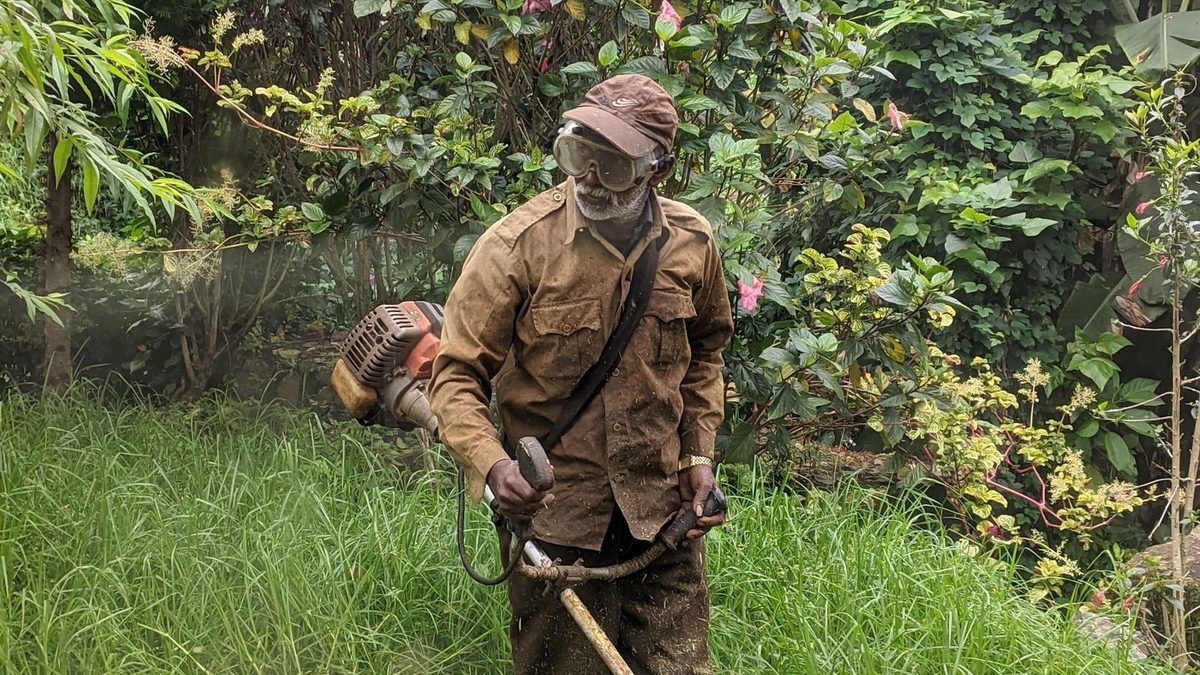
Choose a brushcutter according to the growth and the area: a mowing head with line is enough for edges and ordinary grass, a metal blade for thickets and woody shoots, a petrol STIHL model for long jobs and tougher material, and a cordless STIHL for smaller, regular jobs around the house. If you have a whole meadow or an orchard with tall grass, a brushcutter alone isn’t enough, and a DAKR drum mower is the more sensible choice. At Zakservices in Senica, we’ll help you fine-tune the choice to your actual plot and our current stock.
What you’ll learn in this article
- line or a metal blade
- power, engine size and machine class
- petrol or cordless STIHL
- when to switch to a DAKR drum mower
- basic safety and maintenance
- FAQ and how to contact Zakservices in Senica
Line or a metal blade
The cutting attachment determines what the machine can handle safely and cleanly. It isn’t a question of ‘stronger is always better’ but of what suits the plants and the terrain.
Mowing head with line
Line (usually nylon) is the right choice for:
- lawn edges along fences, paths and patios
- grass between trees and around stones
- lighter growth without thick branches
- places where the line is likely to touch soil or small obstacles
Line is gentler on surrounding objects. When it hits a stone or a fence, it tends to shorten rather than damage the material around it. Blunt or overly thick line, however, beats the grass rather than cutting it. In that case, replace it or trim it as the manual says.
Metal blade and three-tooth blade
Use a metal blade (two-tooth, three-tooth and similar STIHL blades, depending on the model) for:
- thickets and dense weeds
- woody shoots and thinner twigs
- neglected slopes and ditches where line quickly ‘wears away’
A metal blade requires a sturdy guard, correct mounting and more respect for flying debris. Don’t use it on the ornamental lawn by the house. The lawn edge will be rougher and the risk of damaging the fence or stones higher.
| Criterion | Line | Metal blade |
|---|---|---|
| Typical growth | grass, fine edges | thickets, woody shoots |
| Risk of damaging the fence | lower | higher |
| Flying debris | less | more |
| Maintenance | replacing the line, keeping it the right length | sharpening or replacing the blade |
| Best suited to | house, garden, paths | slopes, ditches, neglected areas |
You’ll find more detail on sharpening metal blades in our article on blade sharpening for lawnmowers and brushcutters. In the shop, we’ll check which blade belongs to your STIHL model.
Power, engine size and machine class
With STIHL petrol brushcutters, people talk about engine displacement (cm³) and the overall character of the machine. With cordless models, it’s about the battery system and the power of the set.
A guide by type of work
- Light home maintenance. Edges, a smaller garden, regular light growth. A lighter STIHL cordless model or a smaller petrol hobby model is enough.
- Medium garden work. A larger plot, thicker grass, the occasional thicket. A mid-range STIHL petrol model or a more powerful cordless set with spare battery capacity.
- Heavier and longer work. Ditches, slopes, woody self-seeded growth, long seasonal clearing. A more robust STIHL petrol brushcutter with a suitable blade and harness.
Engine size on its own isn’t the whole story. Ergonomics, balance, the quality of the anti-vibration system and whether you’ll be working for an hour or half a day all matter too. A heavier machine with a good harness is often less tiring than a light machine without proper suspension.
As a rough market guide (not the Zakservices price list), hobby petrol brushcutters start in the low hundreds of euros and go up depending on the specification. More professional and specialised set-ups cost more. We’ll confirm the exact price and stock in Senica.
Petrol or cordless STIHL
The choice of power source follows the same logic as with lawnmowers: endurance and heavy growth or quiet, clean air and easy starting. You’ll find more on petrol versus cordless in our separate comparison of petrol and cordless garden machinery.
When to choose cordless STIHL
- small and medium-sized plots with regular upkeep
- work close to the house and the neighbours, and during quieter hours
- lawn edges after mowing with a rotary mower
- owners who already have STIHL batteries (the AK or AP system)
A STIHL cordless brushcutter is pleasant for everyday use. For dense thickets and long jobs, allow for a second battery or a more powerful set. AK and AP batteries are not interchangeable, so choose the system with an eye to your other tools.
When to choose petrol STIHL
- long cutting sessions without breaks for charging
- thick, wet or woody growth
- plots far from a charger
- seasonal clearing of ditches and slopes
Petrol offers longer run time and more power in reserve. However, it needs fuel, two-stroke oil for the mix as the manual says, care of the filter and spark plug, and it makes more noise. For hobby and more demanding work alike, the right harness and regular maintenance will do more for the machine’s life than ‘the biggest engine in the catalogue’.
| Criterion | Cordless STIHL | Petrol STIHL |
|---|---|---|
| Starting and everyday comfort | very good | good once you’re used to it |
| Run time without a break | depends on the batteries | long, as long as there’s fuel |
| Noise and fumes | low noise, no fumes while working | more noise, exhaust fumes |
| Heavy growth | good with powerful sets | typically the safer bet |
| Maintenance | batteries, head, cleaning | fuel, filter, spark plug, head |
When a brushcutter isn’t enough and you need a DAKR drum mower
A brushcutter is a tool for spots and lines. It’s excellent for clearing a slope, a ditch, an edge or a smaller neglected area. For a whole meadow or an orchard with tall grass, it’s slow and tiring.
Choose a DAKR drum mower when:
- you mow a meadow or orchard of a few hundred m² or more
- the grass is tall and you want a windrow (cut grass) for drying or carting away
- with a brushcutter, you’d spend all day on what takes one walk with the drum mower
- you need to mow a meadow repeatedly through the season, not just the edges
A STIHL, MTD, WOLF-Garten, Cub Cadet or SUPA TECHNIKA rotary mower looks after a short ornamental lawn. A DAKR drum mower deals with tall growth. A STIHL brushcutter complements both in places the wheels can’t reach. You’ll find a more detailed comparison of drum and rotary mowers in a separate article in this series.
A practical rule: if you’re ‘cutting an area’, think lawnmower. If you’re ‘clearing lines and obstacles’, think brushcutter.
Safety (brief but thorough)
A brushcutter spins its cutting attachment at high speed. Flying line, a small stone or a fragment of blade can cause injury.
- Eye and face protection, sturdy footwear, long trousers and, depending on the job, ear protection.
- Adjust the harness so that the machine hangs balanced and your hands only guide it.
- Before starting, check the area: stones, glass, wires, toys, animals and people.
- Use a metal blade only with the specified guard and with the correct direction of rotation, as the manual says.
- When working on a slope, keep a stable stance. Don’t cut above yourself on the slope, where the machine could slide down towards you.
- After hitting a hard object, switch off and check the blade or line and the mounting.
- Never clean the head or the blade with the engine running. On a STIHL cordless model, remove the battery.
Safety isn’t something ‘for the last page of the manual’. It’s what lets the machine serve you for a long time without injury.
Choosing in practice: a short procedure
- Write down what you’ll be cutting (grass, thicket, woody self-seeded growth).
- Estimate how often and for how long at a stretch.
- Decide on line or blade (or both, if the model makes it easy to change the cutting attachment).
- Choose cordless or petrol based on run time and comfort.
- Check the harness, guard and availability of parts.
- If it’s a meadow, add a DAKR drum mower to your choice or use one instead.
We’ve also covered the difference between hobby and more demanding use in our article on hobby versus professional garden machinery. The same logic applies to brushcutters: buy for the job, not for the highest number on the label.
Maintenance that extends the machine’s life
- after work, clean grass and dust off the head, the guard and the engine cooling fins
- store trimmer line in a closed bag somewhere cool and dark, not in a hot, dry place (nylon that dries out becomes brittle and snaps, so soak brittle line in water for about 24 hours before use), and check the blade for cracks and balance
- with a STIHL petrol model, stick to the correct fuel mix ratio and keep the filter and spark plug clean
- with a STIHL cordless model, store the batteries as the manual says, not in frost or direct sunlight
- before a longer break, prepare the machine for storage following our seasonal tips (spring preparation and autumn winterising)
We’ll check stock of replacement heads, line and blades at Zakservices.
Accessories that make sense
Alongside the STIHL brushcutter itself, there are often things that make more difference to comfort than an extra cm³:
- a good-quality harness that spreads the weight well
- spare trimmer line of the right diameter and profile
- a metal blade, only if you really do cut thickets
- a face shield or safety glasses and ear protection
- for STIHL cordless, a second battery and a charger with a suitable charging speed
Don’t buy everything at once ‘just in case’. Start with what you’ll use in the first season. You can add more parts later based on the actual work and on stock in Senica.
Common mistakes when choosing
- A machine that’s too heavy for the edges around the house. It tires you out and you end up leaving it in the shed.
- Only line for woody growth. The line disappears quickly and the result is poor.
- A brushcutter instead of a DAKR drum mower for a whole meadow. It can be done, but you’ll pay for it with your time and your back.
- Ignoring the harness. Even a light machine strains your wrists if it isn’t suspended properly.
- Buying without servicing and parts. The head, line and blade are consumables. Availability is what counts.
Frequently asked questions (FAQ)
1. Is a brushcutter with line enough for the garden around my house?
Yes, if you mainly deal with edges and ordinary grass. Add a metal blade only when thickets or woody shoots appear.
2. Is petrol or cordless STIHL better for a country cottage?
If there’s a charger at the cottage and the area is smaller, cordless is convenient. If you clear long edges, ditches and dense growth without a reliable power supply, petrol is usually more practical.
3. Can a brushcutter replace a lawnmower?
For a small strip of grass, yes. For a whole lawn, no. A rotary mower gives an even finish and collects the clippings. For a meadow, a DAKR drum mower is better suited.
4. How often should I change the line?
When it gets shorter than its effective length, when it frays, or when it beats the grass instead of cutting it cleanly. More often after working in sand and gravel.
5. When is it time for a DAKR drum mower instead of a brushcutter?
When you’re cutting a continuous area of tall grass and a brushcutter would cost you half a day. That’s when a DAKR drum mower saves both time and your back.
6. Do I need a harness even with a light machine?
Yes. Even a light brushcutter tires your shoulders and back during longer work. A good harness improves control and safety.
7. Can I sharpen a brushcutter blade at home?
Yes, carefully and following the shape of the original. If there are cracks, replace the blade. The method and safety advice are in our article on blade sharpening.
8. What budget should I allow?
Hobby set-ups start in the low hundreds of euros, depending on the type and specification. This is a market guide, not a price list. We’ll confirm the specific model and stock in the shop.
Let us help you at Zakservices in Senica
Come in with a short description of your plot (edges, slope, ditch, meadow) and let us know whether you already have STIHL batteries. At Zakservices in Senica, we’ll show you suitable STIHL brushcutters and accessories and, if needed, DAKR drum mowers, depending on current stock.
Zakservices, s.r.o.
Obchodná 493/2A, 905 01 Senica (white building opposite the Kaufland car park)
Phone: 0904 446 915, 034/651 7072
Email: zakservices@zakservices.sk
Website: https://zakservices.sk
We’ll check specific models and availability with you in person.