Self-propelled vs. push mower: which type to choose and when
A self-propelled drive saves your strength on a larger plot and on slopes. A push mower is enough for a smaller, level lawn.
Self-propelled vs. push mower: which type to choose and when
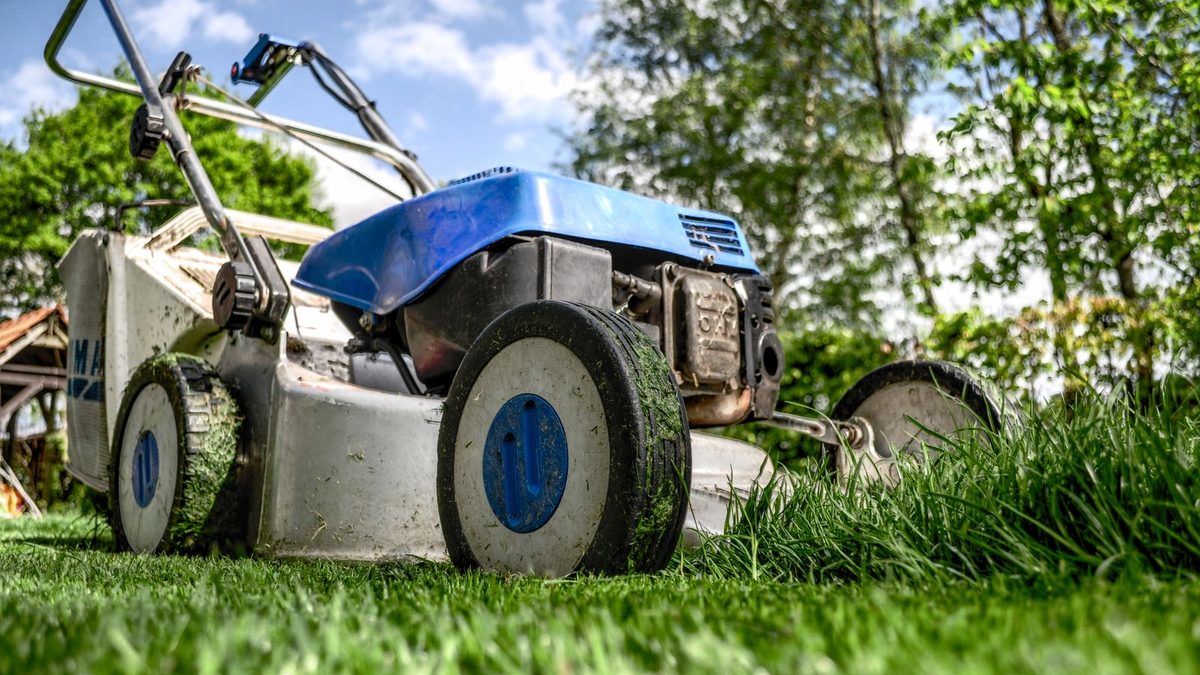
A self-propelled lawnmower is worth it mainly on a larger plot, on a slope and anywhere you want to push less and tire less. A push mower is enough for a smaller, level lawn if you want a simpler and often cheaper machine and don’t mind pushing it yourself. Self-propulsion isn’t about the brand. It’s about whether you want the lawnmower to pull you along or you’ll move it along with the strength of your own arms and legs.
At Zakservices in Senica, we help you choose based on your actual area, the slope and who will be doing the mowing. Below you’ll find a practical comparison you can use before visiting the shop.
What you’ll learn in this article
- what self-propelled means and what to expect from it
- when a self-propelled lawnmower helps (slope, size, age and fitness)
- when a push mower is enough
- the brands in our range (STIHL, MTD, WOLF-Garten, Cub Cadet, SUPA TECHNIKA, depending on type)
- costs, maintenance and common mistakes when choosing
- a comparison table and frequently asked questions
What a self-propelled lawnmower is and what a push mower is
A lawnmower without a drive (a push mower) has an engine or motor that turns the blade. But you’re the one moving it forward. The machine is easier to understand, often simpler and perfectly adequate for a small area.
A self-propelled lawnmower has driven wheels (or a driven axle). So the engine also helps move it forward. You set the speed, direction and cutting height. The machine pulls you along or at least makes pushing much easier.
A self-propelled drive isn’t the same as a ride-on mower. A ride-on mower (lawn tractor) is a machine you sit on, for large areas. Here we’re comparing walk-behind lawnmowers: with a drive and without.
When a self-propelled lawnmower helps
Choose self-propelled if at least one of these applies:
1. A slope or undulating ground
On a slope, a push mower ‘pulls back’ and tires you quickly. A self-propelled drive keeps up the pace and reduces the risk that you’ll be forcing the machine along instead of mowing. On steeper slopes, always think about safety too (stability, a dry surface, a sensible speed).
2. A larger area
Roughly from medium-sized gardens upwards (often from about 600 m² to 1500 m² and more, depending on the terrain), every extra metre means more pushing. A self-propelled drive shortens the job and saves your back and knees.
3. Thick, wet or taller grass
When the growth is heavier, a push mower gets bogged down. A self-propelled drive helps keep an even pace, and your arms don’t have to ‘dig in’ as much.
4. Age, fitness or frequent mowing
If you mow often, are older, have back problems or simply want comfort, a self-propelled drive is one of the most sensible investments among walk-behind lawnmowers. It isn’t a luxury. It protects your health during seasonal work.
5. Long strips and less manoeuvring around obstacles
On a more open plot, you’ll appreciate the machine moving by itself. On a very broken-up plot with lots of trees and flower beds, though, also think about manoeuvrability and cutting width.
When a push mower is enough
A push mower still makes sense. Choose one if:
- You have a smaller, level lawn (roughly 400 to 600 m² on easy terrain).
- You want a lower purchase price and don’t mind pushing.
- Your plot is very broken up and you’ll appreciate a lighter, more manoeuvrable machine with no drive to adjust.
- You mow short and regularly, so the grass isn’t heavy.
- You want simpler mechanics, with fewer drive-related parts.
A push mower isn’t a ‘worse’ lawnmower. It’s a different tool. On a small, level area, it often wins on common sense and on cost.
Brands in the Zakservices range (by type)
At Zakservices, we work with proven brands. For walk-behind lawnmowers, both self-propelled and push, the most relevant, subject to availability, are:
| Brand | What to discuss in the shop |
|---|---|
| STIHL | reliable garden lawnmowers, comfort and service support depending on the model |
| MTD | practical petrol lawnmowers for typical and medium-sized gardens |
| WOLF-Garten | garden lawnmowers focused on home lawn care |
| SUPA TECHNIKA | further proven options in the range, depending on the current offer |
| Cub Cadet | more for larger plots and the ride-on class, when a walk-behind mower is no longer enough |
| DAKR | more specialised mowing (drum mowers, for example), when a conventional rotary mower isn’t enough |
We always confirm the specific model, stock and features (drive, mulching, collection) on the spot. Don’t choose by the adverts. Choose by your area and slope.
Self-propelled: what else to check before you buy
A self-propelled drive on its own isn’t enough. When choosing, ask about:
- the type of drive (single speed or variable, depending on the model)
- the cutting width (a wider one saves time, a narrower one manoeuvres better)
- weight and folding (carrying it to the cellar, steps, narrow access)
- collection / mulching / side discharge, depending on how you mow
- the cutting height and how easy it is to adjust
- maintenance (blade, underside of the deck, oil and filter on petrol models, batteries on cordless ones)
If you’re torn between petrol and cordless, treat that as a separate choice. Both can be self-propelled, but availability depends on the model.
Comparison: self-propelled vs. push
| Criterion | Self-propelled | Push |
|---|---|---|
| Physical effort | lower, the machine helps pull | higher, you push it yourself |
| Slope | much more comfortable | harder work, take care |
| Small level area | extra comfort, not always necessary | often perfectly adequate |
| Larger area | a strong choice | tiring over a long mow |
| Purchase price | usually higher | usually lower |
| Mechanics | more drive-related parts | simpler movement |
| Who it’s for | slopes, larger plots, frequent mowing, heavier workload | small gardens, flat ground, saving money |
| Brands in our range | STIHL, MTD, WOLF-Garten, SUPA TECHNIKA (depending on the model) | the same range, subject to availability |
Common mistakes when choosing
- Buying a push mower for a slope ‘because it’s cheaper’. The saving on the purchase price is soon lost to fatigue and reluctance to mow.
- Too wide a cutting width for a narrow, broken-up plot. Width only saves time where there’s room to use it.
- Ignoring the weight. A self-propelled drive helps when mowing, but weight is still a problem when you carry the machine up or down steps.
- Expecting the drive to make up for a poor blade or the wrong cutting height. A sharp blade and the right height are still the basics.
- Going straight for a ride-on mower when a good self-propelled walk-behind would do. A ride-on mower makes sense for larger areas. For the in-between stage, a self-propelled drive is often the answer.
FAQ: common questions about self-propelled lawnmowers
Is a self-propelled lawnmower always better?
No. On a small, level area, a push mower is often enough. Self-propelled wins on slopes, on larger areas and with frequent mowing.
From what size of area is a self-propelled drive worth it?
Often from a medium-sized garden, roughly from around 600 m² to 1000 m² and above. On a slope, it can make sense even sooner. On a very small, flat lawn, it may not.
Does a self-propelled drive help older people too?
Yes, often considerably. It reduces pushing and saves your knees and back. You still need to be able to manage the controls, starting and routine maintenance, though.
Is a self-propelled lawnmower safe on a slope?
The drive helps, but it’s no substitute for caution. On a wet or overly steep slope, the risk remains. Mow slowly and across the slope, following the manufacturer’s recommendations and common sense.
Should I choose a self-propelled petrol or cordless model?
That’s a second decision. Petrol gives you reserve power and long mowing sessions. Cordless (in the STIHL system, for example, depending on the model) gives you quiet and easier starting. Whether you need a self-propelled drive depends on your area and slope.
What if I have a very large plot?
From about 1500 m² to 2000 m² and above (depending on the terrain), we often look at a Cub Cadet or SUPA TECHNIKA ride-on mower. A good self-propelled walk-behind mower will still cover plenty of medium-sized plots, though.
Does a self-propelled drive need special servicing?
The drive adds parts that need checking as the manual says. The basics stay the same: a clean deck, a sharp blade and care of the engine or batteries. At Zakservices, we can also advise you on seasonal servicing.
Is a WOLF-Garten or MTD push mower enough for a holiday cottage garden?
If the area is small and level and you mow regularly, yes. If there’s a slope or long strips, it’s better to consider a self-propelled version of an available model.
Let us help you at Zakservices in Senica
If you’re torn between a self-propelled lawnmower and a push mower, the quickest way to decide is a short chat about your area, the slope and who will be mowing. At Zakservices (Zakservices, s.r.o.) you’ll find sales and servicing of garden machinery from proven brands: STIHL, SUPA TECHNIKA, MTD, WOLF-Garten, Cub Cadet and DAKR.
Visit us: Obchodná 493/2A, 905 01 Senica (white building opposite the Kaufland car park).
Phone: 0904 446 915, 034/651 7072
Email: zakservices@zakservices.sk
Website: https://zakservices.sk
Come in with the approximate size of your plot and a photo or short description of the slope. We’ll be happy to suggest a walk-behind lawnmower with or without a drive, or let you know when a ride-on mower starts to make sense. We always confirm stock and current prices directly in the shop.