Winter storage of STIHL batteries and chargers
Store STIHL batteries over winter clean, dry and charged to roughly 40 to 60% (often two green LEDs), at a cool room temperature and away from both frost and heat. Unplug the charger from the mains and store it separately. This reduces the risk of deep discharge and premature ageing.
Winter storage of STIHL batteries and chargers
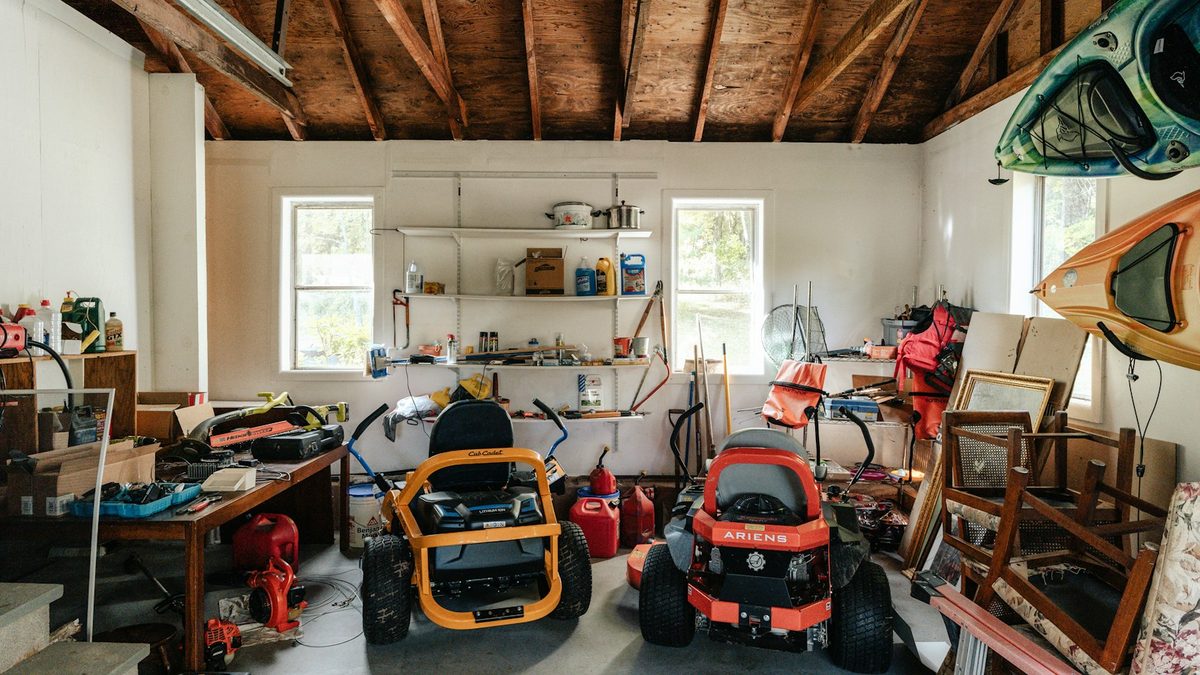
Store STIHL batteries over winter clean, dry and charged to roughly 40 to 60% (often two green LEDs), at a cool room temperature and away from both frost and heat. Unplug the charger from the mains and store it separately. This reduces the risk of deep discharge and premature ageing. The same logic helps with other cordless garden machinery from our shop too, but the manual for your specific STIHL battery always takes precedence.
At Zakservices in Senica, we help you plan winter storage to suit your type of battery and charger. Below is a practical procedure without unnecessary theory.
What you’ll learn in this article
- which state of charge (SOC) suits long-term storage
- which temperatures batteries and chargers like
- how to prepare the battery and charger before winter
- how often to check and when to top up the charge
- myths, mistakes, FAQ and contact details in Senica
Why winter storage determines battery life
STIHL lithium-ion batteries have a low self-discharge rate, but they aren’t indestructible. Over winter, they are most often damaged by deep discharge, long storage at 100% in the warm, moisture on the contacts or charging in freezing conditions.
Storing them correctly is cheaper than replacing a battery in spring. This applies to cordless lawnmowers, brushcutters, chainsaws, leaf blowers and the other STIHL machines you swap batteries between during the season.
State of charge (SOC): what percentage to leave
The recommended storage range with STIHL is typically 40 to 60%. On the indicator, this often corresponds to two green LEDs. Some manuals for the AP range give a band of roughly 40 to 80% (two to three green LEDs) for maximum service life. If in doubt, follow the manual for your battery and aim for the middle of the range.
What not to do:
- don’t put a battery away completely flat (risk of deep discharge and permanent damage)
- don’t leave it at 100% for months on end unless necessary
- don’t leave it in a plugged-in charger for months ‘just to be safe’
A practical procedure before storage:
- After the season, clean the battery with a dry cloth. The contacts should be dry and free of dirt.
- Check the LED charge indicator.
- If the battery is almost empty, charge it into the 40 to 60% range.
- If it’s full and facing a long break, use it for one more short job so that the charge drops into the range the manual recommends.
- Remove the battery from the machine and store it separately.
As a rough guide: two green LEDs are a good target for winter. Fully charge the battery before the first job in spring.
Temperature: where batteries should spend the winter
STIHL batteries like a stable, dry and slightly cool environment.
A guide based on typical STIHL recommendations (always check the manual):
- ideal storage often at roughly 10 to 20 °C
- a wider storage range of typically −10 to +50 °C
- charging usually at 5 to 40 °C (below roughly 5 °C, the charger will refuse or postpone charging)
Where to store them:
- a dry room in the house, a damp-free cellar, a frost-free garage
- away from direct sunlight, radiators, stoves and cars in summer
- out of reach of children and animals
- not outside under a roof in hard frost, if you have a better room available
If a battery has got too cold or too hot, let it reach room temperature indoors. Don’t warm it with a hairdryer or on a radiator.
STIHL chargers: what to do with them over winter
Use only original STIHL AL series chargers intended for your battery. A third-party charger can damage the battery.
Charger checklist:
- after charging, unplug the mains lead from the socket
- take the battery out of the charger and store it separately
- store the charger somewhere dry, typically in the 5 to 40 °C range
- protect it from dust, moisture and knocks
- don’t use the charger outdoors in rain or frost
A charger isn’t a storage stand to leave switched on all winter. Charge, then unplug.
Preparing for winter: a short checklist
- Clean the machine and remove the battery.
- Wipe the battery, check the casing and the contacts. Don’t use a damaged battery, and ask the workshop for advice.
- Set the SOC to roughly 40 to 60% (or as the manual says).
- Unplug the charger and store it separately.
- Store the batteries somewhere dry, away from frost and heat, and out of children’s reach.
- Put a check date in your calendar (for example every 1 to 2 months).
- Rotate spare batteries. Don’t leave a battery you haven’t used for a long time ‘at the bottom of a drawer’ without checking it.
For STIHL iMOW or Cub Cadet robotic mowers, there is a separate manual covering winter mode and storage temperature. Here we mainly deal with interchangeable STIHL batteries for handheld and garden machinery.
Regular checks over winter
Self-discharge is low, but checking is worthwhile.
Recommendation:
- check the LEDs every 4 to 8 weeks
- if the charge drops well below the recommended range, top it back up to roughly 40 to 60%
- before the season, charge fully and do a short test job
- if you have several batteries, rotate them so that none sits unused for years
If a battery lasts much less than last season or the LEDs show an error, have it checked. At Zakservices in Senica, we’ll help you assess whether it’s normal ageing or damage.
What also applies to other cordless machinery from our shop
The principles are similar for cordless machines from the other brands we work with (for example, selected garden machinery in our range). But always remember:
- the manual for the specific manufacturer and model applies
- the charger must be intended for that battery
- moisture, frost and deep discharge do harm almost every time
If you have a mix of STIHL cordless and STIGA, WOLF-Garten, Cub Cadet, SUPA TECHNIKA or DAKR petrol machines at home, deal with the batteries as described in this article and with the combustion-engine machines using the autumn checklist (fuel, oil, blade).
Common myths and mistakes
| Myth or mistake | Reality |
|---|---|
| A battery should always be stored at 100% | For a long break, the 40 to 60% range is better |
| Run it completely flat before winter ‘to give it a rest’ | Deep discharge harms the battery |
| It can stay in a plugged-in charger all winter | After charging, unplug the mains and remove the battery |
| Any charger will do | Use an original STIHL AL charger for that battery |
| A freezing garage is always fine | Stick to the temperature limits and keep it dry. A stable room temperature is ideal |
| Charging straight from the cold is fine | Warm it up first, and charge above roughly 5 °C |
| There’s no need to check the LEDs for months | A quick check every 1 to 2 months is enough and avoids surprises |
Table: winter storage at a glance
| Item | Recommendation |
|---|---|
| SOC for storage | roughly 40 to 60% (often 2 green LEDs) |
| Ideal temperature | roughly 10 to 20 °C |
| Wider storage range | as the manual says, typically −10 to +50 °C |
| Charging | usually 5 to 40 °C, original STIHL AL charger |
| Location | dry, indoors, away from children and sunlight |
| Charger over winter | unplugged from the mains, stored separately |
| Checks | every 4 to 8 weeks |
| Before the season | full charge and a short test |
Always check the exact values in the manual for your STIHL battery and charger.
Safety when storing and charging
- charge only in dry conditions and within the permitted temperature range
- don’t open the battery casing or try to repair it yourself
- don’t use a damaged, swollen or water-damaged battery
- never put batteries in a fire or in general household waste
- don’t cover the charger with a cloth while charging, and let it breathe
- keep children away from batteries and chargers
If the manufacturer’s manual says something different from this general article, the manual takes precedence.
When to come to the workshop or ask for advice
Come to Zakservices in Senica when:
- a battery lasts much less than it used to
- the LEDs show an error, charging doesn’t start at all or keeps stopping
- the casing is damaged, the contacts are corroded or the battery is unusually warm
- you’re not sure whether you have the right AL charger for your range (AK, AP and so on)
- you’d like the whole cordless set (machine, batteries, charger) checked before the season
We’ll check stock and availability of specific batteries and chargers with you in person. Bring the model designations with you, or take a photo of the rating plate.
Frequently asked questions (FAQ)
1. What percentage should I charge a STIHL battery to before winter?
Typically to roughly 40 to 60% (often two green LEDs). Some manuals allow up to around 80%. Don’t put it away empty.
2. Can I leave the battery in the machine?
It’s better to remove it and store it separately. Both the machine and the battery should be clean and dry. Depending on the type of machine, keep any activation or safety keys out of children’s reach.
3. How often should I check the battery over winter?
Roughly every 4 to 8 weeks. If it drops below the recommended range, top up the charge a little.
4. Can I charge in a cold garage?
Only if the temperature is within the permitted charging range (usually 5 °C and above). In frost, first let the battery warm up indoors.
5. Should I leave the charger plugged in all the time?
No. Unplug it from the mains after charging. Over winter, store the charger dry and separately from the battery.
6. Is there a difference between the AK and AP ranges?
Yes, in power and use, but the winter logic is similar: keep them dry, at the right SOC, with the right AL charger and without deep discharge. Always check the details in the manual.
7. What if I left the battery completely flat all winter?
Try charging it as the manual says. If it won’t charge, shows an error or holds very little charge, have it assessed in the workshop. Next time, bring it into the safe range before storing it.
8. Does this also apply to cordless lawnmowers and other machines from your shop?
The principle, yes. Always take the specific temperature and charge limits from the manual for that battery. With STIGA, WOLF-Garten, Cub Cadet, SUPA TECHNIKA or DAKR petrol machines, focus mainly on fuel, oil and cleanliness, not the battery.
Let us help you at Zakservices in Senica
If you’re unsure about the state of charge, choosing a charger or storing STIHL batteries over winter, come in with the battery and a short description (age, run time, error LEDs). At Zakservices in Senica, we’ll advise you on storing and checking cordless sets, depending on current stock.
Zakservices, s.r.o.
Obchodná 493/2A, 905 01 Senica (white building opposite the Kaufland car park)
Phone: +421 904 446 915, +421 34 651 70 72
Email: zakservices@zakservices.sk
Website: https://www.zakservices.sk
We’ll check specific batteries, chargers and availability with you in person.