Mulching vs. collecting in a grass box
Mulching leaves the grass on the lawn as fertiliser, while collecting in a grass box leaves the surface clean. Here’s when to choose which.
Mulching vs. collecting in a grass box
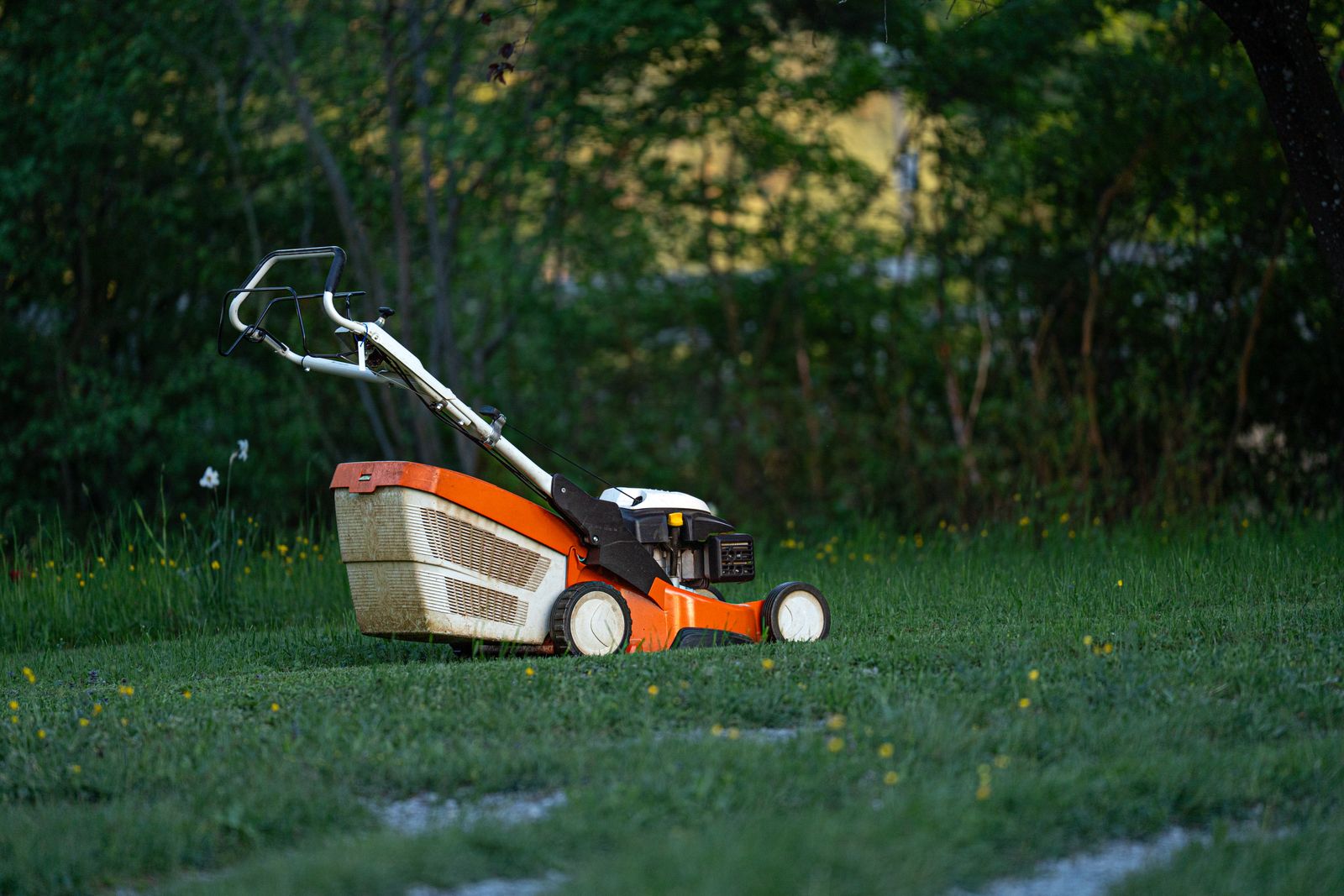
Mulching leaves finely chopped grass on the lawn as a natural fertiliser. Collecting in a grass box takes the clippings away and leaves the surface clean. Mulch when you mow often and the grass is dry and not too long. Collect when the grass is wet or tall, when you want an instantly tidy look, or when you’re establishing or treating a lawn. On STIHL, STIGA, WOLF-Garten, Cub Cadet and SUPA TECHNIKA rotary mowers, this is often handled with a mulching blade, a mulching plug or a mulching kit, depending on the model. At Zakservices in Senica, we’ll show you what suits your lawnmower and our current stock.
What you’ll learn in this article
- what mulching is and what collecting in a grass box is
- when to mulch and when to collect
- mulching blades and kits by brand
- the effect on the lawn and common mistakes
- FAQ and how to contact Zakservices in Senica
What mulching and collecting are
Mulching
When mulching, the blade (or a special mulching blade) cuts the grass several times into small pieces. The clippings fall back between the grass blades. There they decompose and return nutrients and moisture. The grass box doesn’t fill up, or a mulching plug is used instead of the box.
Mulching works best with:
- frequent mowing (the grass doesn’t have time to get overgrown)
- dry to slightly damp grass
- a sensible cutting height (you don’t take off too much at once)
- a denser lawn that ‘hides’ the clippings
Collecting in a grass box
When collecting, the lawnmower draws or throws the cut grass into the grass box. The surface stays clean. You then compost the clippings, take them away or deal with them some other way off the lawn.
Collecting makes sense with:
- wet, heavy grass
- longer intervals between mowing and taller growth
- an ornamental lawn where you want an instantly ‘tidy’ look
- establishing, overseeding or treating a lawn for fungal disease or thatch, when you don’t want to leave biomass on the surface
Both modes have their place within a single season. It isn’t a lifelong choice but one for a particular day and the state of the lawn.
When to mulch, when to collect
| Situation | Recommendation | Why |
|---|---|---|
| Regular weekly mowing, dry weather | mulch | fine clippings, nutrients returned, less work with the grass box |
| After rain, wet heavy grass | collect | wet clippings clump together, break down poorly and can go mouldy |
| Overgrown lawn after a holiday | first a higher cutting height, possibly collect | a large volume of mulch ‘smothers’ the surface |
| Spring, vigorous growth | alternate depending on moisture | fast growth calls for frequent mowing |
| Autumn, leaves in the grass | often collect, or a special mode | mulching alone can’t cleanly handle lots of leaves |
| Selling the house / visitors / showpiece lawn | collect | an instantly clean look |
| You want to use less fertiliser | mulch, at the right frequency | some of the nutrients are returned |
A simple rule
If the clippings disappear between the grass blades after the lawnmower passes, mulch. If clumps, stripes and wet tufts are left on the surface, collect, or mow more often.
Mulching blades and kits on rotary mowers
Not every lawnmower mulches equally well just ‘without the grass box’. Good mulching needs the right blade shape, a closed deck (mulching plug) and enough blade speed. The brands we work with at Zakservices handle this differently, depending on the model.
STIHL
With STIHL rotary mowers, check whether your model has a mulching kit or a mulching blade and plug. Some machines are designed to switch between collecting and mulching without much dismantling. What matters is using parts made for that type of deck. ‘Universal’ parts that you haven’t checked for a proper fit can impair both the cut and safety.
STIGA and WOLF-Garten
STIGA and WOLF-Garten lawnmowers often offer collection, side discharge and mulching modes, depending on the specification. A mulching plug closes off the discharge. A mulching blade improves the chopping. Before you buy, check whether a kit is available for your model and whether we have it in stock.
Cub Cadet and SUPA TECHNIKA
On Cub Cadet and SUPA TECHNIKA ride-on mowers and lawn tractors, mulching depends on the cutting deck and a mulching kit for that deck width. On large areas, mulching saves time because you don’t have to stop to empty the grass box. With wet grass, though, even a ride-on mower can leave tufts. In that case, slow down, raise the cutting height or switch to collection, if the equipment allows.
Common rules for all brands
- use an original or proven blade for the model
- after fitting, check the mounting and the balance
- a blunt blade mulches badly. It crushes rather than cuts
- a clean deck is essential. Caked-on grass spoils the airflow
- we check stock and compatibility in the shop. We don’t guess part numbers by eye
You’ll find more on sharpening and balancing in our article on blade sharpening for lawnmowers and brushcutters.
The effect on the lawn
Benefits of mulching correctly
- returns some of the nutrients and reduces the need for extra feeding
- helps retain moisture in drier spells
- saves time (no carrying grass boxes)
- with frequent mowing, it encourages a denser look
Risks of mulching badly
- thatch build-up, if you leave a thick or wet layer
- smothering young seedlings
- yellowing and patches under the tufts
- more problems if you neglect collecting for a long time during a wet spell
Benefits of collecting
- a clean surface straight after mowing
- less risk of thatch with wet grass
- better control when treating or overseeding the lawn
- you can compost the clippings in a targeted way
Drawbacks of collecting
- more work with the grass box
- you remove biomass, and nutrients with it (you’ll need to feed the lawn more)
- more stops on a large area
Mulching isn’t for meadows
For tall meadow grass and hay, think of a DAKR drum mower, not mulching with an ornamental-lawn rotary mower. Mulching an ornamental lawn is light, frequent work. A meadow is a different regime altogether. You’ll find a comparison of DAKR drum mowers and rotary mowers in a separate article.
Practical tips for the Slovak season
- In spring, alternate depending on the weather. After a rainy week, collect. After a dry one, mulch.
- In summer, mulch more often and higher. A short, stressful cut in the heat does the lawn no good.
- After a holiday, first raise the cutting height, mow, then lower it gradually. Mulching a large volume straight away is a mistake.
- In autumn, with lots of leaves, collect more often or combine it with raking. Mulching alone doesn’t always deal with leaves neatly.
- Check the blade during the season. Mulching with a blunt blade is one of the most common reasons for disappointment.
- When choosing the size of lawnmower for your area (roughly 400, 800 or 2000 m²), also think about whether you’ll mostly mulch or carry the grass box. A large area and frequent collecting are tiring. Mulching or a Cub Cadet or SUPA TECHNIKA ride-on mower can change that.
The same applies to STIHL, STIGA and WOLF-Garten petrol lawnmowers and to STIHL cordless models: choosing mulching or collecting doesn’t change the need for basic engine or battery maintenance. It only changes how you deal with the clippings.
How to decide before buying a lawnmower
If you’re still choosing a machine, ask:
- whether the model supports both mulching and collection
- whether the mulching kit is included in the price or sold as an accessory
- what the grass box capacity is and whether emptying it suits you
- whether the blade is easy to get at for sharpening and replacement
Indicative market prices for standard rotary mowers start in the low hundreds of euros and go up depending on cutting width and specification. Ride-on mowers cost considerably more. This is a market guide, not a price list. We’ll confirm stock in Senica.
Switching modes during the season
The best results usually come from owners who don’t stick to one ideology but choose the mode according to the weather:
- a dry May and June with weekly mowing: mulch
- a rainy week and heavy grass: collect
- August heat: mow higher and mulch more lightly
- October with leaves: collect, or combine with raking
That’s why a rotary mower that can do both (STIHL, STIGA, WOLF-Garten and others in our range) is more practical than a machine that can only do one. With Cub Cadet and SUPA TECHNIKA ride-on mowers, check the mulching kit for your specific deck before the season, not when the grass is waist-high.
Common mistakes
- Mulching wet, tall grass and being disappointed by the tufts.
- A blunt blade, and expecting the mulching plug to work miracles on its own.
- A clogged deck full of old grass, which spoils the airflow.
- Collecting all year round for no reason, then being surprised that the lawn needs more fertiliser.
- Trying to mulch a meadow with a rotary mower instead of a DAKR drum mower.
Frequently asked questions (FAQ)
1. Can I mulch all season without collecting?
Yes, if you mow often and the grass is suitable. After rain, or if the grass is overgrown, it’s better to collect for a while.
2. Is mulching worse for the lawn than collecting?
Not if it’s done correctly. Bad mulching (wet tufts) is worse than collecting. Good mulching benefits the lawn.
3. Do I need a special mulching blade?
With many STIHL, STIGA, WOLF-Garten, Cub Cadet and SUPA TECHNIKA models, yes, or at least a mulching plug. We’ll check for your machine.
4. Why are there stripes of grass after mulching?
A blunt blade, grass that’s too tall, low blade speed, a clogged deck or wet clippings. Adjust the height, the frequency and the sharpness of the blade.
5. What should I do with the collected clippings?
Put them on the compost in thin layers, not in a thick, wet heap. Or use them elsewhere in the garden in your usual way.
6. Does a robotic mower mulch too?
Robotic mowers (such as a STIHL iMOW in the right class) typically mow often and short, which in practice is a form of continuous mulching. They don’t have a conventional large grass box.
7. When should I collect even though I prefer mulching?
With wet grass, after a long break, when overseeding or treating the lawn, and when you want an instantly clean look.
8. Can mulching replace fertiliser?
Partly, but not completely. Mulching returns some of the nutrients. On an intensively kept lawn, extra feeding may still be needed. We’ll advise you based on the condition of your lawn.
Who should mulch by default and who should collect
- Mulching as standard: owners who mow often, have a medium to large area and don’t want to keep carrying the grass box. Ideally with a mulching kit on a STIHL, STIGA, WOLF-Garten, Cub Cadet or SUPA TECHNIKA machine.
- Collecting as standard: owners of an ornamental lawn who value an instantly tidy look, areas with frequent rain, or gardens with lots of trees and leaves.
- Hybrid: most Slovak gardens. Keep both modes ready and switch depending on the day.
If you’re still buying a lawnmower for an area of around 400, 800 or 2000 m², ask about the mulching equipment straight away. It saves hunting for it in the middle of the season.
Let us help you at Zakservices in Senica
Come in with your lawnmower model or a description of your lawn and how often you mow. At Zakservices in Senica, we’ll show you suitable mulching blades, plugs and kits for STIHL, STIGA, WOLF-Garten, Cub Cadet and SUPA TECHNIKA, depending on current stock. We’ll also help with blade sharpening and servicing.
Zakservices, s.r.o.
Obchodná 493/2A, 905 01 Senica (white building opposite the Kaufland car park)
Phone: +421 904 446 915, +421 34 651 70 72
Email: zakservices@zakservices.sk
Website: https://www.zakservices.sk
We’ll check specific parts and availability with you in person.